Building Surfaces Prepared for Structural Loads
House Pad Construction in Brandon for properties requiring stable, level foundations before building starts
Mississippi soil conditions shift with seasonal moisture changes, which makes proper pad preparation critical before any structure goes up. Mighty Mule Dump Services LLC constructs house pads for new homes, shops, barns, and accessory buildings where site grading and compaction directly affect how well the finished structure performs over decades of use. Building on inadequately prepared ground leads to settling, cracking, and structural movement that shows up months or years after construction completes.
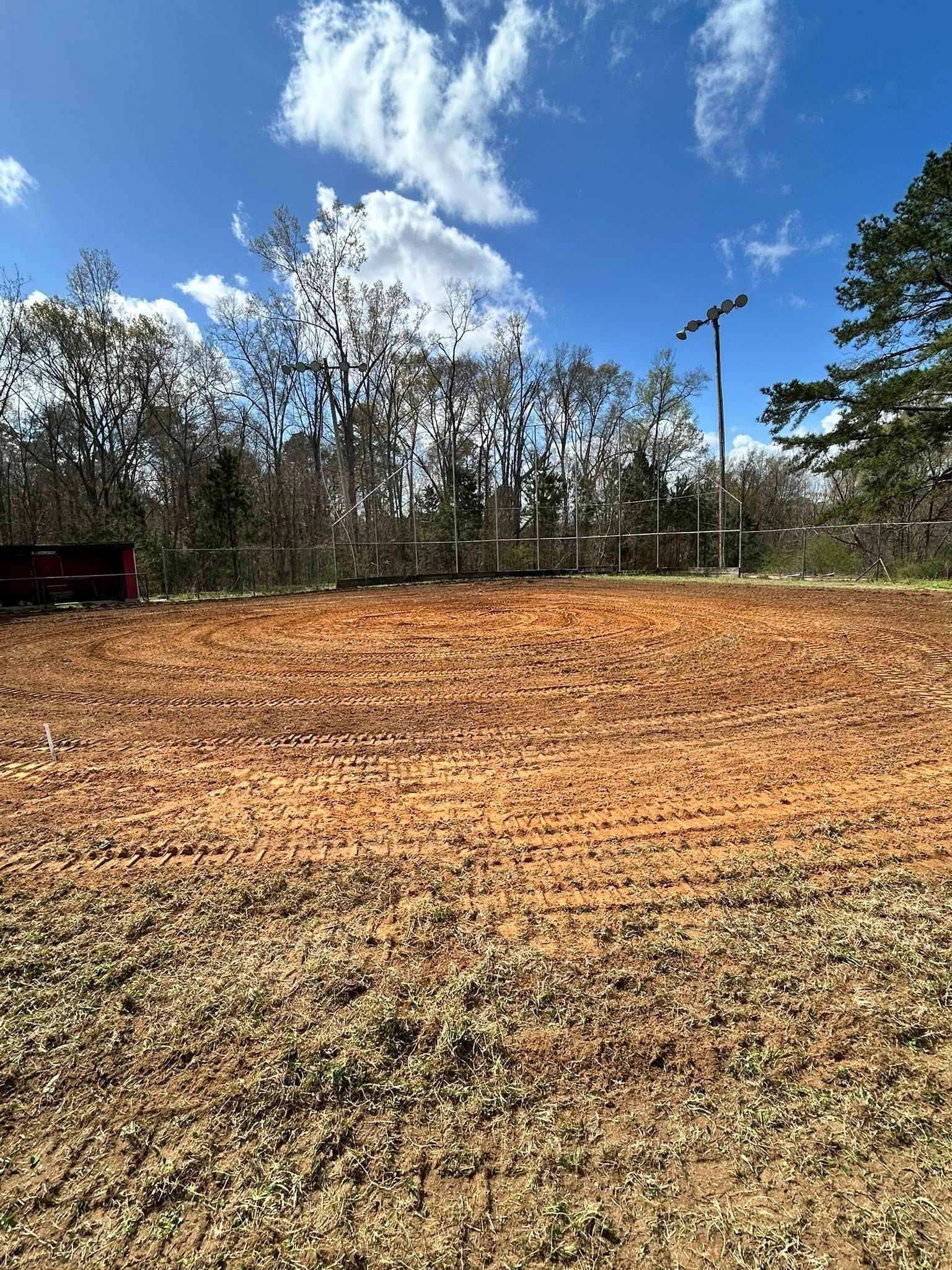
House pad construction involves clearing the building footprint, excavating to stable subgrade, grading to the elevation specified in construction plans, and compacting fill material in controlled lifts. Compaction happens in layers rather than all at once because heavy equipment can only compress soil effectively to a certain depth—typically six to eight inches per pass. This process creates a uniform, stable surface that supports the weight of the structure and resists settling caused by moisture infiltration or soil consolidation.
Schedule a site review to evaluate your property's existing grade and soil characteristics.
How Site Preparation Supports Long-Term Structural Performance
Pad construction removes organic topsoil that would decompose and create voids under the building, establishes proper drainage away from the foundation, and compacts imported fill to engineered density standards. Each lift of fill material gets compacted to a specified percentage of maximum density, which prevents settlement that would stress the foundation and building frame. Moisture content during compaction matters as much as the compaction effort itself—soil that's too wet or too dry won't achieve the density needed to support structural loads.
Once the pad is complete, builders work on a surface that remains level and stable throughout construction and beyond. Water drains away from the building footprint instead of pooling around the foundation, the pad maintains its elevation without settling under equipment or material loads, and the foundation contractor pours on a surface that meets engineered bearing capacity requirements. These conditions prevent the differential settlement that causes foundation cracks and framing problems.
Coordination with construction schedules determines when pad work happens relative to utility installation, foundation forming, and material delivery. Some projects require phased grading where rough shaping happens early and final grading occurs just before foundation work begins. Timing depends on weather conditions, site access, and whether utilities need to be installed before or after pad construction.
Questions Property Owners Ask About House Pads
Site preparation questions typically focus on soil conditions and construction timing before pad work begins.
What happens if the existing soil isn't stable enough?
Unsuitable soil gets excavated and replaced with engineered fill material that's placed and compacted in controlled lifts until the pad reaches the required elevation and bearing capacity.
How is the pad elevation determined?
Elevation comes from construction plans that account for finished floor height, foundation depth, drainage slope requirements, and existing site grades around the building footprint.
Why does compaction happen in layers instead of all at once?
Heavy equipment compacts soil effectively only to a limited depth per pass, so building the pad in lifts ensures uniform density throughout the fill rather than just at the surface.
When should pad construction happen in the building process?
Pad work typically occurs after clearing and utility trenching but before foundation contractors arrive, though Brandon site conditions and project schedules sometimes require adjusted sequencing.
What prevents the pad from settling after construction?
Proper compaction of suitable fill material in controlled lifts creates a stable mass that resists consolidation under building loads and moisture changes that would otherwise cause settlement.
Mighty Mule Dump Services LLC prepares building sites with attention to compaction standards and drainage requirements that affect structural performance. Arrange an estimate to discuss your construction timeline and site preparation needs.